

Whitepaper

Unmasking Deepfake Fraud

The impact of AI-powered deception is costing billions. In fact, Deloitte predicts that deepfake fraud losses in the U.S. could reach $40 billion by 2027.

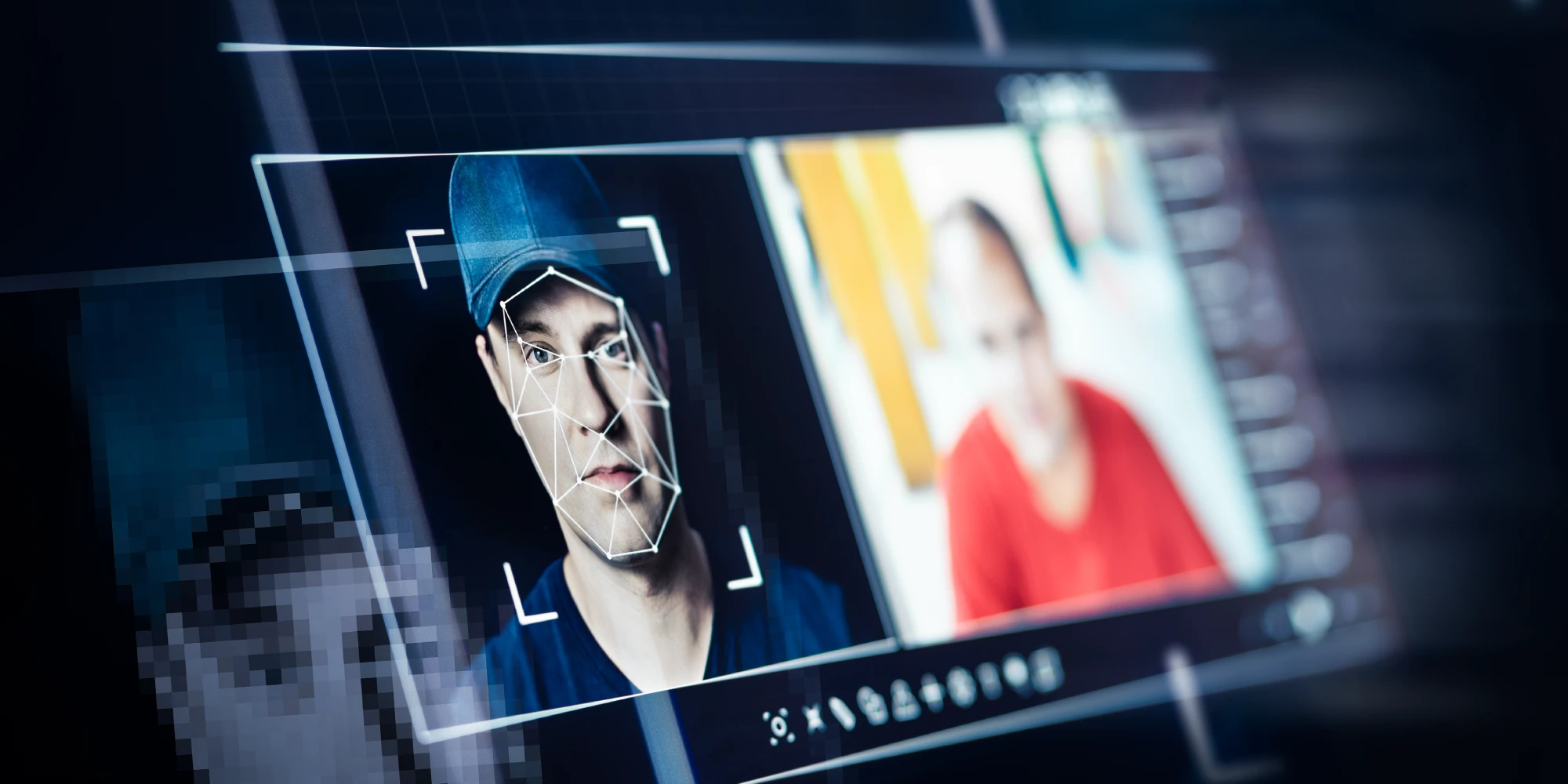
Deepfakes (AI-generated photos, videos and audio) are becoming more realistic by the day. Mimicking voices and physical identities, fraudsters use the technology to manipulate individuals and businesses, bypass security controls, get money, or obtain personal data.

You may think it’s easy to tell the difference between what’s real and what’s not. But most people — and some systems — can’t. And, If you can’t spot it, you can’t stop it.

“Passive detection methods will be outdated quickly,” says Pragya Agarwal, vice president for fincrime & compliance, TaskUs.

To help businesses fight the dangers of deepfakes, her team created a guide that includes:

  • How deepfake scams work
  • Which industries are most vulnerable
  • Strategies to spot, prevent and stop deepfake-driven fraud at scale

See how to safeguard your organization.
First Name: *
Last Name: *
Business Email: *
Job Title: *
Company: *
Are you currently using or planning to implement a Business Process Outsourcing (BPO) solution for your organization?  *
What is your timeframe for changing your current provider or implementing a new Business Process Outsourcing solution in 2024? *
Acceptance for Privacy Policy *

More Insights from TechInformed

Navigating AI in government: How the Insolvency Service is building a three-year roadmap

August 21, 2025

Workday breach tied to Salesforce-linked cyber campaign

August 18, 2025

Bridging the AI gap: Practical steps for successful customer service

August 21, 2025